Community
Tla-o-qui-aht First Nations
The people of the Tla-o-qui-aht First Nation respectfully live, work, and celebrate together in a healthy, collaborative community with a strong administration and governance that values its ha’wiih ha-houlth-ee (territory of the chief) and laws of nature. The Nation is committed to pursuing and providing all viable economic, health, cultural, and educational opportunities for members.
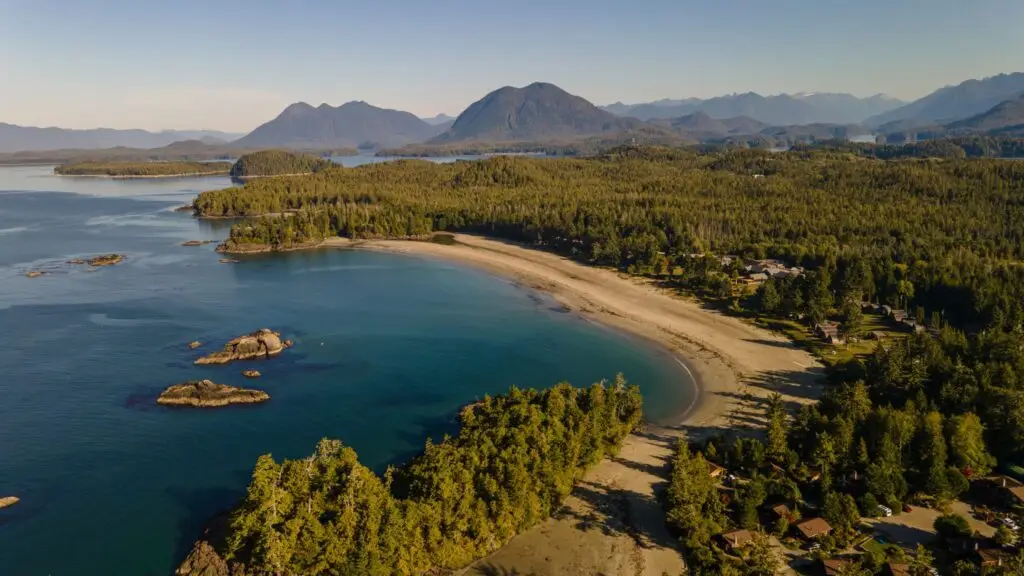
The Tla-o-qui-aht First Nation is a member of the Nuu-chah-nulth Tribal Council. Its territory, known as Ha-Hoothlee, includes Tofino, Meares Island, Long Beach, and Sutton Pass, which are located on the west coast of Vancouver Island, British Columbia. The Tla-o-qui-aht people are a Nation of over 1200 registered members (2023).
The Nation follows an elected system: a body including 11 Councillors and 1 Chief Councillor which serve in 4-year terms to office. Working closely together with the Chief Executive Officer and Administration, they strive to uphold the Nation’s vision by collaboratively evaluating policies, procedures, and projects.
Tribal Parks
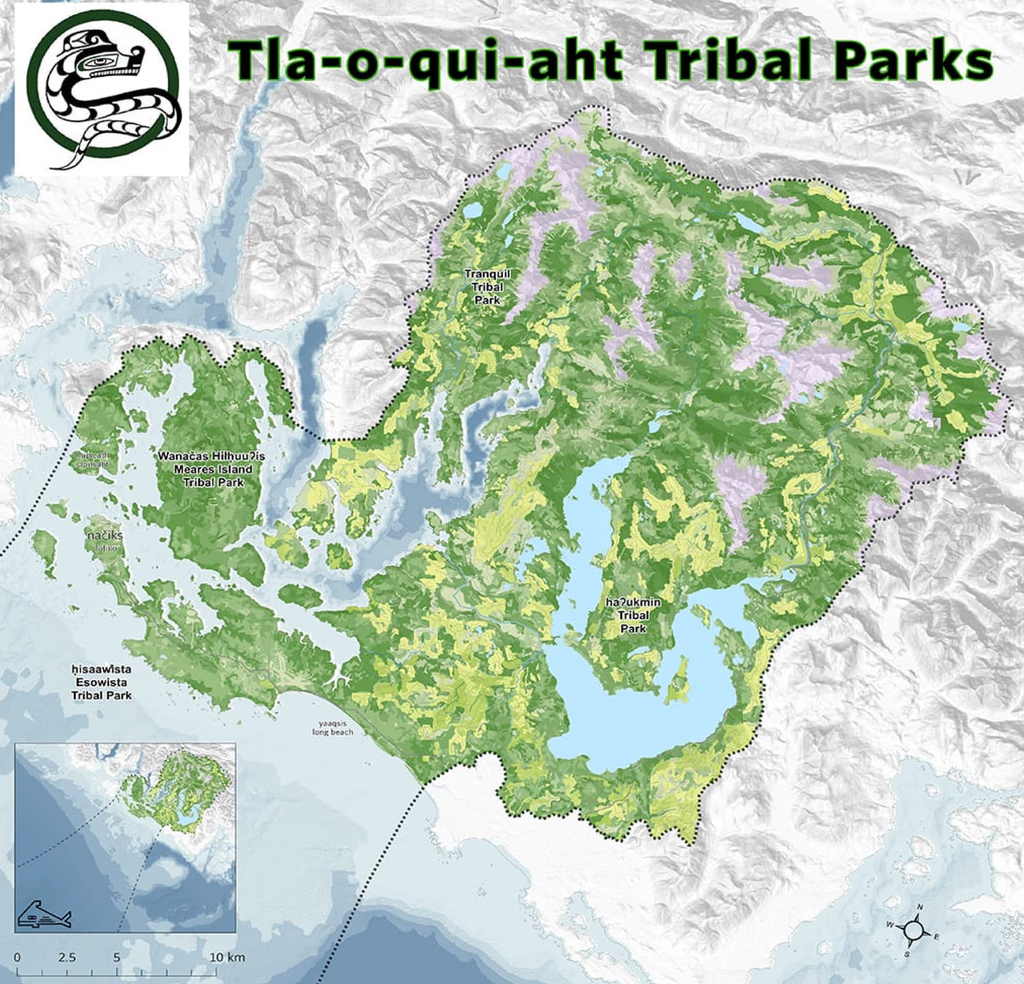
The Tla-o-qui-aht Tribal Parks are located in Clayoquot Sound on the West Coast of Vancouver Island, BC. Tla-o-qui-aht Chief Councilor Moses Martin declared the first Tribal Park in 1984 to prevent clear-cut logging of the ancient rainforests of Meares Island. Tla-o-qui-aht activists successfully combined legal action, peaceful blockades, and Indigenous governance to defend the rainforests of Meares Island, setting important precedents for conservation and Indigenous rights in Canada.
Since 1984, Tla-o-qui-aht leadership have expanded the Tribal Parks designations to encompass all of the traditional territory, integrating Indigenous laws and practices to manage and restore the land. The Tribal Parks are governed by a 500-year stewardship plan, emphasizing ecological restoration, sustainable livelihoods, and community development. These parks are a testament to Tla-o-qui-aht’s ongoing commitment to protecting the land and waters for future generations, ensuring that their cultural and ecological heritage remains intact.
Interactive Tribal Parks Map